Selecting the right burner is no longer just an engineering decision—it is a strategic energy, cost, and compliance decision. As fuel prices rise and emission norms tighten, industries such as steel, aluminum, and foundry operations are under pressure to improve thermal efficiency without compromising process stability. This is where self recuperative burners play a critical role.
However, performance gains are not guaranteed simply by installing advanced technology. The self recuperative burner selection process must align with furnace design, operating conditions, and production goals. This blog presents a practical, industry-specific self recuperative burner selection checklist to help decision-makers choose the right solution for long-term efficiency and reliability.
Why Burner Selection Is Critical in High-Temperature Industries
In high-temperature processes, burners account for a significant portion of total energy consumption. An incorrectly selected burner can lead to:
- Excessive fuel usage
- Unstable flame conditions
- Higher maintenance costs
- Increased emissions
- Reduced furnace life
Steel, aluminum, and foundry units operate under very different thermal and operational conditions. A burner suitable for a continuous steel reheating furnace may perform poorly in a batch-type foundry furnace. This makes application-specific burner selection essential rather than relying on generic capacity-based choices.
What Is a Self Recuperative Burner? (Quick Technical Overview)
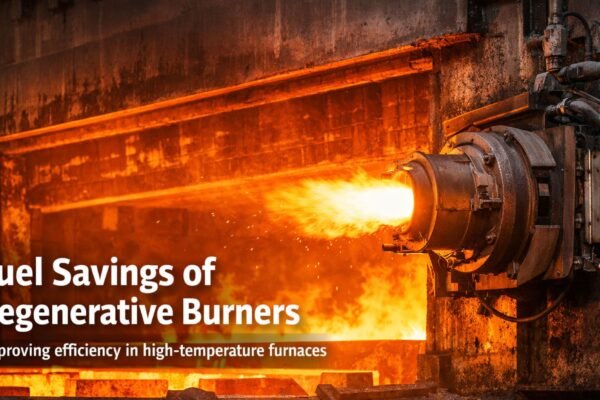
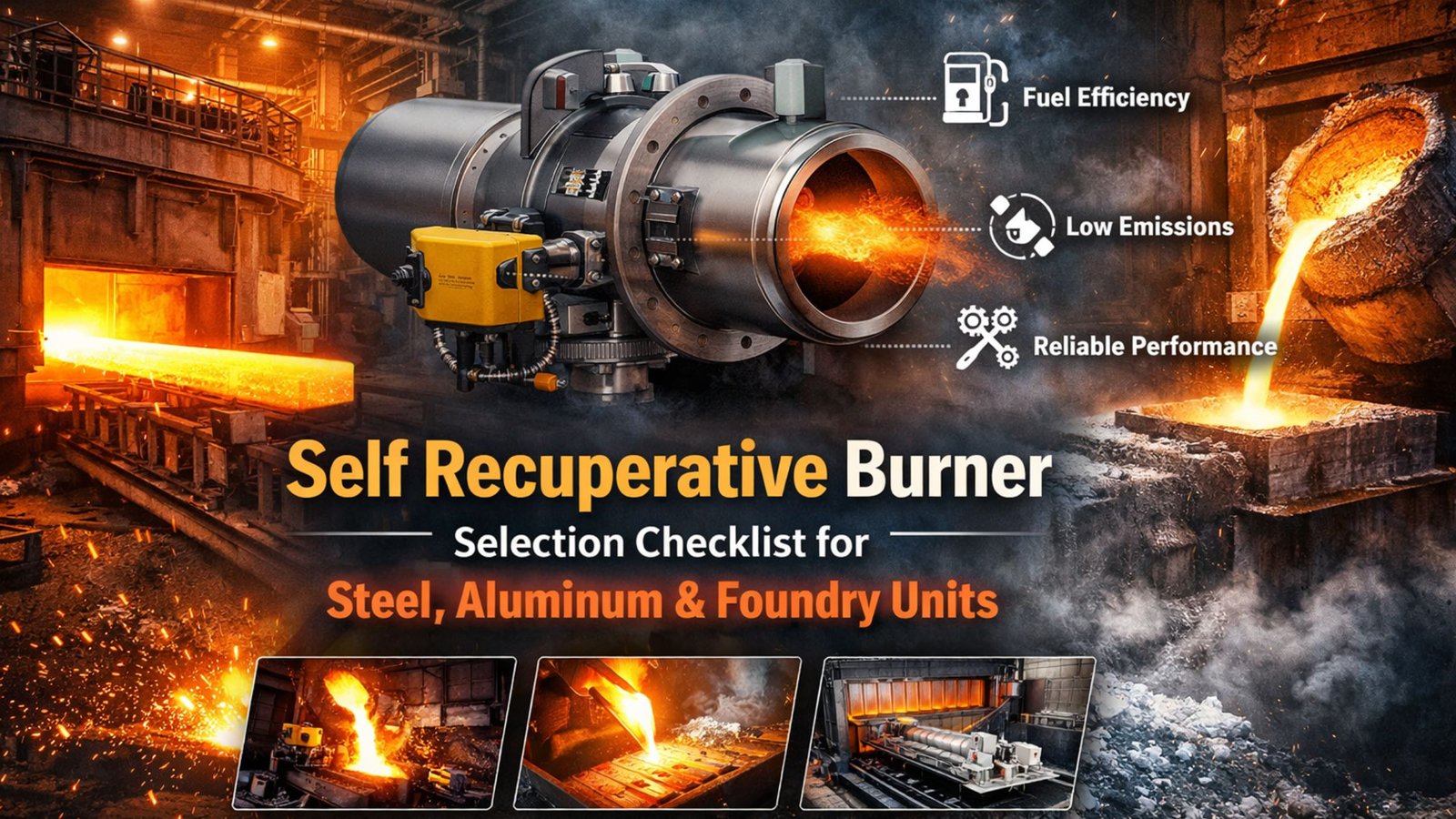
A self recuperative burner integrates a built-in heat exchanger that recovers waste heat from exhaust gases and uses it to preheat combustion air. This significantly improves thermal efficiency without requiring large external heat recovery systems.
Unlike conventional burners, self recuperative systems improve overall furnace performance by:
- Reducing fuel input for the same heat output
- Improving flame stability at high temperatures
- Lowering exhaust losses
To understand how these systems are engineered for industrial applications, refer to Encon’s detailed overview of self recuperative burners and their role in modern furnace design.
Self Recuperative Burner Selection Checklist – Key Parameters
A structured checklist ensures that selection decisions are based on engineering fundamentals, not assumptions.
🔹 Furnace Operating Temperature Range
Always match the burner design to the actual operating temperature, not just peak values. Continuous exposure above design limits reduces recuperator life and efficiency.
🔹 Fuel Type and Quality
Natural gas, LPG, and blended fuels behave differently. Fuel pressure stability and calorific value variations must be considered during selection.
🔹 Required Turndown Ratio
Processes with frequent load variation require burners with high turndown capability to maintain flame stability and efficiency during partial load operation.
🔹 Combustion Air Preheat Capability
The effectiveness of heat recovery depends on how much preheated air the burner can safely handle. This is closely linked to heat exchanger design—understanding different types of heat exchangers helps engineers evaluate recuperator performance realistically.
🔹 Emission Compliance Requirements
Local and global emission norms demand strict control over NOx and CO levels. Burner design must support compliance without external add-ons.
🔹 Furnace Type (Batch vs Continuous)
Batch furnaces need flexible response and fast ignition cycles, while continuous furnaces prioritize steady-state efficiency.
This self recuperative burner selection checklist helps ensure that performance expectations align with real operating conditions.
Burner Selection for Steel Industry Applications
Steel plants operate some of the most demanding thermal processes, especially in reheating furnaces, walking beam furnaces, and continuous production lines. Burner selection for steel industry applications must focus on:
- High-temperature endurance
- Continuous operation stability
- Uniform heat distribution across large furnace volumes
Burner performance directly impacts efficiency in reheating furnaces used in steel plants, where inconsistent heating can cause scale formation, rolling defects, and excess fuel consumption. Correct self recuperative burner selection helps maintain consistent billet and slab temperatures while reducing overall energy demand.
For steel applications, the focus should always be on long-term thermal efficiency and operational reliability, not short-term cost savings.
Aluminum Furnace Burner Selection Considerations
Aluminum processing presents a different challenge altogether. Melting and holding furnaces require precise temperature control to minimize oxidation and dross formation. Aluminum furnace burner selection must consider:
- Lower operating temperatures compared to steel
- Sensitivity to flame impingement
- Uniform heat distribution
Self recuperative burners are highly effective in aluminum furnaces when selected with appropriate flame geometry and air-fuel control strategies. This directly addresses common challenges in aluminum melting operations, such as metal loss, inconsistent melt quality, and higher scrap rates.
Choosing the wrong burner design in aluminum furnaces often results in higher scrap rates and inconsistent melt quality—issues that can be avoided with a structured selection approach.
Foundry Units – Batch Furnace Burner Selection Checklist
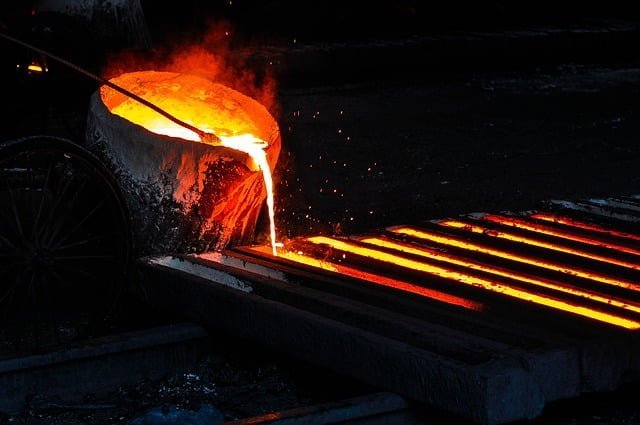
Foundries typically operate batch-type furnaces with frequent start-stop cycles and varying load conditions. This makes burner flexibility a key requirement.
Important considerations include:
- Fast ignition and shutdown capability
- High turndown ratios
- Resistance to thermal cycling
In foundry environments, burner selection should prioritize adaptability and reliability over peak efficiency at full load. Proper alignment between burner design and furnace operation is critical when choosing the right furnace for foundry applications.
Common Burner Selection Mistakes Industries Make
Despite advances in combustion technology, many industries repeat the same mistakes:
- Selecting burners based solely on rated capacity
- Ignoring recuperator pressure drop during system design
- Overlooking future fuel transitions such as hydrogen blending
- Underestimating maintenance access and service requirements
These mistakes reduce the real-world benefits of self recuperative systems. A disciplined selection checklist helps avoid these pitfalls and ensures that efficiency gains are sustainable over time.
Long-Term Cost and Efficiency Perspective
While self recuperative burners may involve a higher initial investment compared to conventional burners, their value lies in lifecycle cost reduction.
Correct self recuperative burner selection results in:
- Lower fuel consumption year after year
- Reduced emission compliance costs
- Longer furnace and refractory life
- Improved return on investment (ROI)
When evaluated from a total cost of ownership perspective, properly selected self recuperative burners consistently outperform traditional solutions, especially in energy-intensive industries.
Selecting the Right Self Recuperative Burner: Final Thoughts
Effective self recuperative burner selection is not about choosing the most advanced product—it is about choosing the right solution for the right application. Steel, aluminum, and foundry units each demand a tailored approach based on operating conditions, furnace design, and production objectives.
Using a structured checklist ensures that selection decisions are technically sound, future-ready, and aligned with energy efficiency goals. Working with experienced combustion specialists such as Encon Thermal Engineers further ensures that system design, integration, and long-term performance are addressed holistically rather than in isolation.